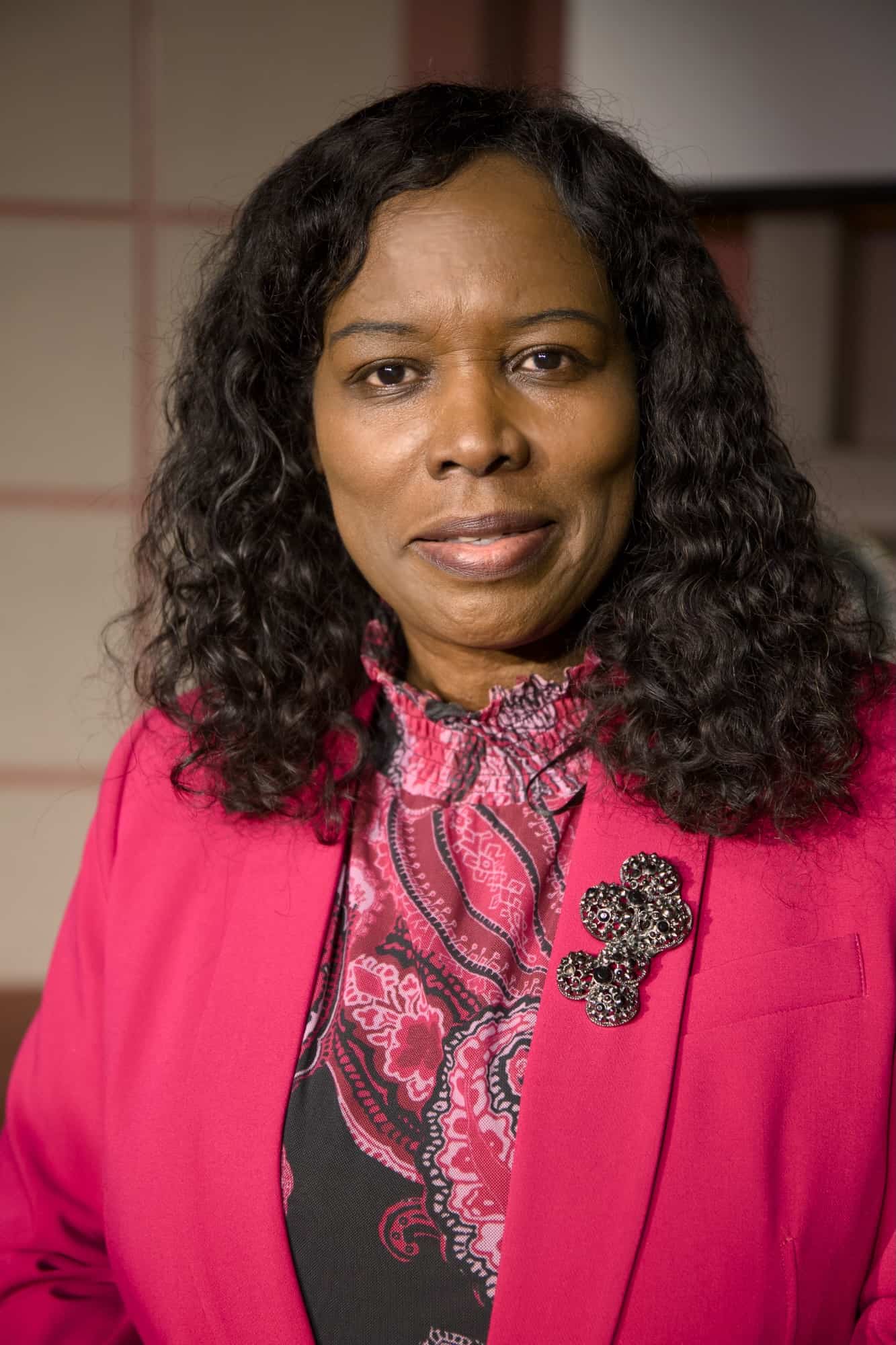
Greetings, Willowdale Family and Friends,
Today, I want to highlight a hidden behavior that is quietly destroying families. The people we love most are often the ones with whom we experience the greatest conflict. Families are meant to be places of love and support, yet misunderstandings strain many homes, hurt feelings, and cause pride to be wounded, with unmet expectations. Relationships become fractured, and loved ones grow distant. What makes this especially painful is that these divisions often do not begin with major sins but with simple differences in personalities, communication styles, values, and opinions. What starts as a difference can become disagreement, then resentment, and eventually division. Before long, people who once shared life struggled to share the same room.
The truth is this: differences are not the problem. God intentionally created us with unique personalities, gifts, and perspectives. The problem arises when differences become barriers instead of bridges—when pride replaces humility, criticism replaces understanding, and self-interest replaces love. The enemy knows he may not be able to destroy a family from the outside, so he works from within—using unresolved differences to sow division, bitterness, and isolation.
But God’s plan for families is far better. Scripture reminds us that love “bears all things, believes all things, hopes all things, endures all things” (1 Corinthians 13:7). God calls us not merely to tolerate one another but to love one another with grace, patience, forgiveness, and understanding. Today, let us explore how differences divide families, why these divisions occur, and how God’s grace can restore unity where conflict has taken root. Differences are inevitable—but division is not. Through Christ, families can learn to disagree without becoming divided and to love one another despite their differences.
Acceptance is one of the greatest expressions of love. God created each person uniquely, and no two people are exactly alike. While we naturally connect with those who think and act like us, family members often have different personalities, values, and ways of communicating. These differences can sometimes be challenging, but God calls us to love one another as Christ loves us. By learning to appreciate and accept our differences, we can build stronger, healthier family relationships. Here are some practical guidelines to help us do that.
1. Do Not Try to Change People
Let go of the desire to change others. Even well-meaning attempts to “fix” family members can make them feel judged or rejected. Only God can change a heart. Our role is not to transform people but to love, encourage, and pray for them while allowing God to do His work.
2. Become an Encourager, not a Critic:
Instead of focusing on a family member’s faults, look for their strengths and positive qualities. Offer sincere compliments, encouragement, and support, especially during difficult times. Train yourself to see the good in others. When critical thoughts arise, replace them with words of affirmation. This simple habit can strengthen relationships and create a more loving family environment.
3. Address Concerns with Love
Love does not ignore destructive behaviours or spiritual dangers. When correction is needed, it must be given in love. Before speaking, ask: Am I motivated by love? Am I seeking restoration? Will my words help rather than hurt? Truth without love wounds, and love without truth compromises. God calls us to speak the truth in love.
4. Don’t Think of People as Less Than Yourself
Superiority destroys relationships. Even if we never say, “I’m better than you,” people can feel it. Scripture calls us to humility: “In lowliness of mind let each esteem others better than himself” (Philippians 2:3). Respect communicates value. Respect says, “You matter.” Avoid sarcasm, which often disguises insult as humour. If a joke wounds someone, it is not harmless. Choose words that build up, not tear down.
6. Be a Good Listener
One of the greatest gifts we can give is our attention. People feel valued when they are heard. Ask yourself: Do I listen more than I speak? Do I care about their experiences? Do I make time for them? Good listeners communicate love. As 1 Peter 4:8 reminds us, “Above all things have fervent love for one another, for love will cover a multitude of sins.” Healthy family relationships require intentional effort. Differences do not have to divide us. When we encourage rather than criticize, speak the truth in love, listen with compassion, and extend grace, our homes become places where people feel accepted, valued, and loved. May God help us build families that reflect His love.
Reference
- Magdalena Battles, “6 Hidden Behaviors That Destroy Families”
Happy Sabbath, Everyone!
Dr. Pastor Evadne Henry